 0
0
 0
0
A rare celestial event is set to captivate millions across Europe next summer. On 12 August 2026, a total solar eclipse will sweep across parts of Spain and Iceland—marking the first time in nearly 30 years that such a spectacle will be visible from Central Europe.
A Two-Minute Window of Total Darkness
For 2 minutes and 18 seconds, the Moon will slide in front of the setting Sun, plunging parts of Spain into an eerie twilight. According to Spain’s National Geographic Institute, cities including Bilbao, Valencia, Tarragona, and La Coruña, as well as the western coasts of Mallorca and Ibiza, lie directly in the path of totality.
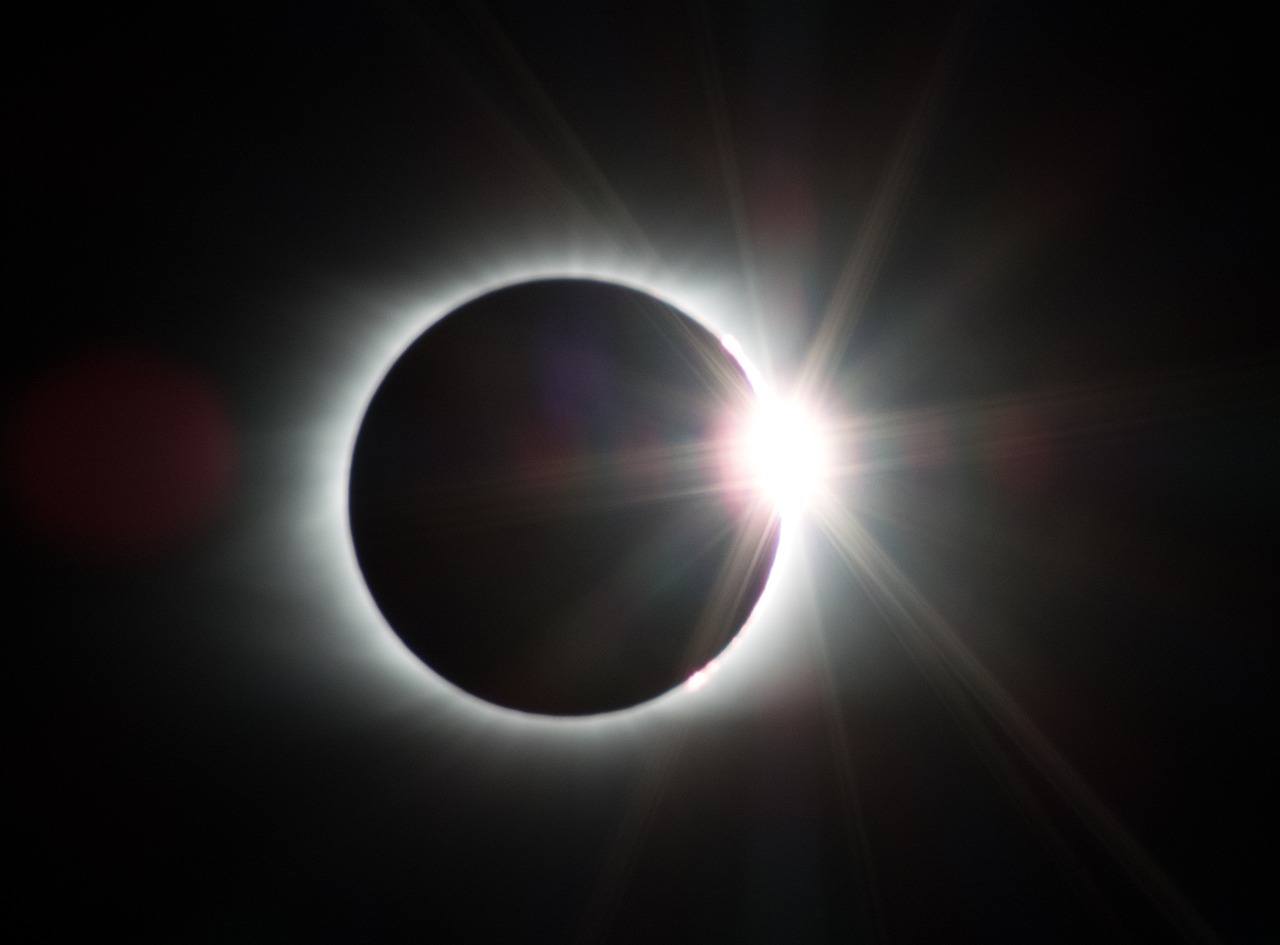
In these regions, observers will witness the Sun’s corona glowing around the darkened Moon—a sight that draws eclipse chasers from around the world.
Austria: A Deep Partial Eclipse
While Spain enjoys the full show, much of Western and Central Europe will experience a partial solar eclipse. In Austria, up to 90 percent of the Sun will be obscured, according to reporting from chip.de.
Even without totality, the event will dramatically dim the evening sky—an unusual timing that adds to its visual impact.
An Eclipse at Sunset
One of the most striking aspects of the 2026 eclipse is its timing.
The Moon begins covering the Sun at around 19:45, when the Sun is already low and glowing red near the horizon. The maximum eclipse occurs shortly after 20:30, with the Sun only a hand’s breadth above the skyline.
This combination—totality plus sunset—makes the event especially photogenic and scientifically intriguing.
Tourism Boom and Rising Prices
The eclipse is already reshaping travel plans. Hotels in Spain’s path of totality are reporting soaring demand:
- In Zaragoza, basic rooms are listed at €700 per night
- Premium hotels are charging up to €2,000
- On Mallorca, authorities have formed a special commission to prepare for heavy traffic and visitor influx
Eclipse tourism has become a global phenomenon, and Spain appears poised for a record-breaking summer weekend.
Interactive Map for Planning
Spain’s National Geographic Institute has released an interactive eclipse map, allowing users to enter their location and see the Sun’s exact position during the event. It’s a valuable tool for photographers, travelers, and anyone hoping to secure the perfect viewing spot.
Safety First: Proper Eye Protection Essential
Whether in Spain or elsewhere in Europe, experts stress that no one should look directly at the Sun—even during a partial eclipse. Safe viewing requires certified eclipse glasses.
Look for:
- A non-removable CE mark
- Compliance with ISO standard EN ISO 12312-2:2015
Ordinary sunglasses are not sufficient.
- source: oe24.at/picture: pixabay.com



This post has already been read 15651 times!